
Bone Grafting & Sinus Lifts – Dallas, TX
Getting Ready for Dental Implant Placement
There are some cases where patients are not sure if they are good candidates for dental implants. Often, this is due to bone recession in the jaw and bone loss in an area where there are missing teeth. After a tooth has been removed, the jawbone begins to recede or resorb, leaving an area of thinned bone with less height. Patients who have worn dentures for several years will notice that their dentures get loose, fit poorly, and their face has a “sunken” appearance. This is due to bone recession and loss of the jawbone structure in this area.
Many patients who would like to solve the problem of ill-fitting dentures with dental implants have been told that there is no longer enough bone structure to support dental implants. Bone grafting and sinus lifts from our Dallas, TX oral surgeon can help make dental implants possible.
When this is the case, a procedure called bone grafting can often be performed in order to restore the bone height and width in the area. Some bone grafting procedures are very simple and only require the addition of bone around the neck of the dental implant. Other procedures to restore bone are more complex and require transplanting bone from one area of the jawbone to the needed area.

Why Choose Texas Wisdom Teeth and Dental Implants for Bone Grafting & Sinus Lifts?
- Comprehensive In-House Dental Implant Treatment
- Platelet Rich Fibrin for Faster Healing
- Options for Interest-Free Financing
Sinus Lift Procedure
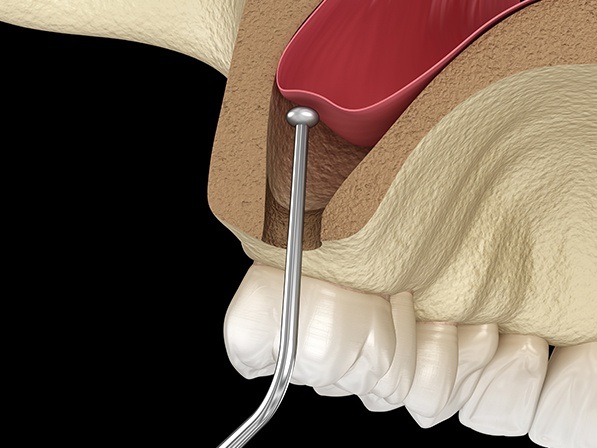
Situated just above the roots of the molars in the upper jaw is the maxillary sinus. The sinus is a hollow cavity in the skull. When excess bone recession has occurred in this area, a dental implant cannot be placed without a bone graft. The bone depth in this area can recede to a thickness of just a few millimeters. A dental implant placed in this area would protrude into the sinus. A specialized bone grafting procedure can be performed called a sinus lift, which involves lifting the soft tissue of the sinus floor and bone grafting beneath it, creating adequate depth to accommodate a dental implant. This is a very effective treatment for patients who have had severe maxillary bone loss and would like to restore the area with dental implants.
In some cases, patients may elect to have dental implants placed in the upper jaw using a technique that prevents the need for this type of bone grafting. Using the "All-on-4" technique, dental implants are placed at angles that follow the bone structure, preventing the need for a bone graft. This technique is often an option for patients who wish to restore the dentition of the entire upper jaw. Be sure to discuss this option with our surgeons at your consultation appointment.
Platelet Rich Fibrin
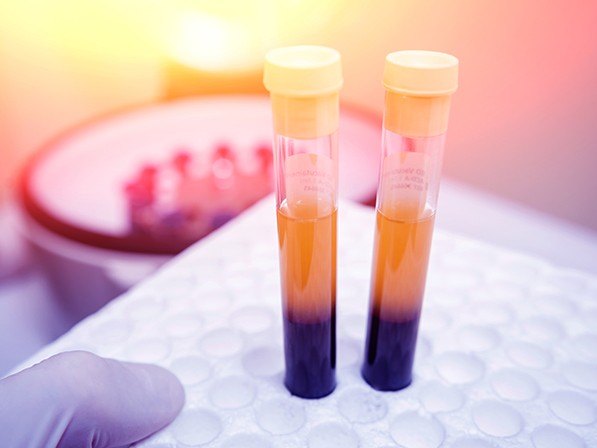
When it comes to bone grafting, the key to success is often in the details. Our surgeons are a few of only a handful of specialists in DFW who use Platelet Rich Fibrin (PRF) in bone grafting procedures to provide patients with successful and predictable results. Used for many years by orthopedic surgeons in surgery on the bones, PRF is considered one of the latest advances in oral and maxillofacial surgery. The procedure involves utilizing a patient’s own biological components to speed healing, encourage bone growth, and reduce recovery time in bone grafting procedures. In bone grafting with PRF, fibrin-rich platelets are isolated from a patient’s own blood and used in the bone graft procedure. There is no risk of sensitivity or allergy to this component because it is produced from a patient’s own blood cells. Adding PRF to a bone graft site has been shown to drastically reduce post-operative discomfort, speed healing, and stimulate bone growth in a surgical site.
Benefits of PRF in bone grafting include:
- Instantly provides the equivalent of up to three days normal healing
- Reduces postoperative discomfort
- Stimulates bone and soft tissue growth
- Provides more predictable and successful bone grafting outcomes
Bone Grafting Procedure
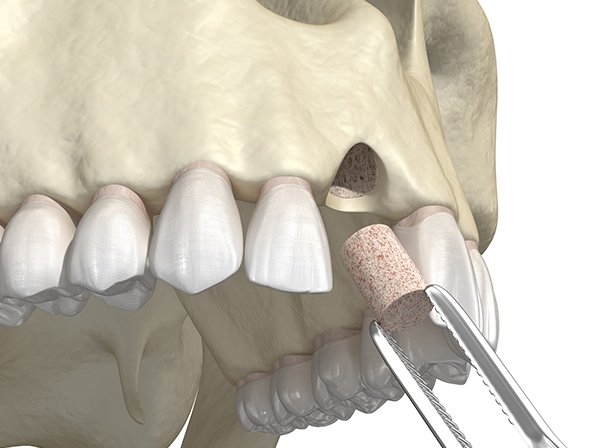
In most cases, when a bone grafting procedure is required, we prefer to place the bone graft in the area at the same time the failed tooth is extracted. Doing so eliminates the need for an additional procedure after the tooth extraction and also speeds up the timeline for patients to replace a missing tooth. The bone grafting procedure involves largely the same steps as any other surgical procedure. You will be asked to come in and have a consultation with Dr. Anver to determine their diagnosis and treatment plan according to your needs. Once a plan of treatment has been decided upon, a surgical appointment will be scheduled. You will arrive in our office for your planned bone grafting appointment, where you'll be asked to complete some necessary forms related to your treatment. It is important to be sure that you understand your treatment. Your consultation and planning appointment will address all of the information you need to know about your proposed surgery. It is important that you discuss any concerns or questions you may have with our surgeons prior to procedure. Don’t worry, we will ask you several times if you need additional information. Once you are brought back for surgery, your vital signs and comfort level will be monitored closely by Dr. Anver and his team. The surgical procedure takes place using IV general anesthesia in most cases, which ensures your comfort and calm.
Bone Grafting Cost
The cost of a bone grafting procedure varies widely depending on the defect that is being corrected, the size of the area, and the volume of bone needed. Our surgeons will discuss the extent of your necessary bone graft with you, and all patients are provided with a written treatment plan outlining the costs associated with any planned surgery. Our team takes pride in the fact that we are able to provide excellent, attentive patient care while keeping our Dallas bone graft procedure fees lower than the national average. In addition to competitive fees, we offer multiple options to assist you in budgeting for the cost of treatment. Patients can take advantage of interest free financing for 6 months with CareCredit or Lending Club. Other options are also available to help you achieve the smile you want. Contact our business office manager for more information.
Dr. Anver and his team at Texas Wisdom Teeth and Dental Implants are looking forward to meeting your oral surgery needs. We look forward to seeing you at our North Dallas oral surgery center.