

Wisdom Tooth Extractions & Oral Surgery – Dallas, TX
Gentle Extractions for a Healthier Smile
Wisdom tooth extractions in Dallas have become a sort of rite of passage for many young adults. These days, it is even fairly common for older individuals to get their wisdom teeth removed. But just what are wisdom teeth? Why is it often necessary to extract them? And, what is involved in removing them? In the following sections, you will find answers to these fascinating questions as well as general information about your options for wisdom tooth extractions and oral surgery in Dallas, TX.

Why Choose Texas Wisdom Teeth and Dental Implants for Wisdom Tooth Extractions?
- Warm, Welcoming Oral Surgery Office Environment
- Oral Surgeon with Years of Experience
- Platelet Rich Fibrin for Enhanced Healing
What Are the Wisdom Teeth?
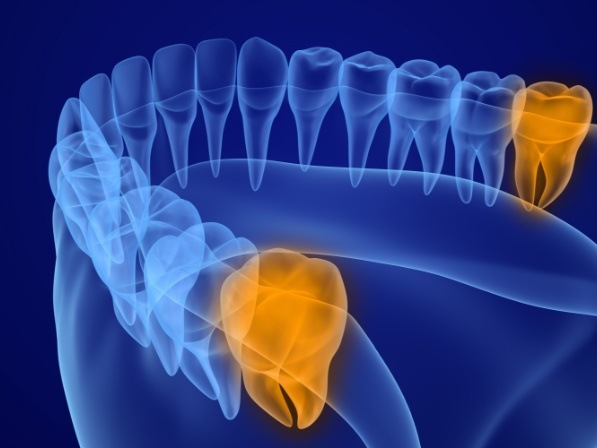
Wisdom teeth are the third molars, located at the very back of the mouth. They are the last of the adult teeth to erupt into the dental arch. Wisdom teeth usually begin to come in during the teenage years and are typically recommended for removal between the ages of 13 and 21.
Because wisdom teeth are so often removed, many people wonder why we have them in the first place. The most dominant theory states that our ancestors needed a third set of molars to help them consume a diet that was full of tough foods. Our modern diet is much easier on the teeth, which makes the wisdom teeth often unnecessary.
Wisdom Teeth Problems
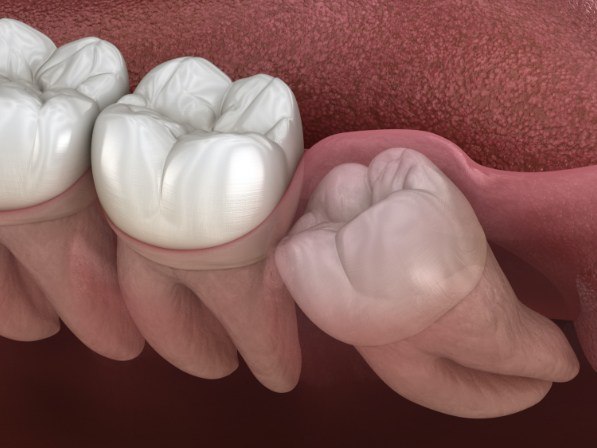
Not only are wisdom teeth unnecessary, but most people's jaw bones are not large enough to accommodate them. This lack of space means that the wisdom teeth may lead to a number of serious problems.
If there is not enough room behind the second molars for the teeth to erupt, they remain trapped beneath bone and tissue, or impacted. Impacted wisdom teeth and partially impacted wisdom teeth can become abscessed, infected, and painful. Poorly positioned third molars can cause damage and decay in adjacent teeth. In some cases, cysts and bone destruction can occur, which can cause problems for the patient and damage other teeth. Impacted wisdom teeth can cause dental crowding and orthodontic relapse in patients who have completed orthodontic treatment.
Some of the symptoms that can be caused by wisdom teeth are listed below. Schedule a consultation with your Dallas wisdom teeth expert to find out more about your dental condition.
- Wisdom Tooth Pain and Swelling
- Toothache
- Headache
- Jaw Pain
- Dental Crowding
- Infection and Abscess
Learn More About Common Wisdom Teeth Problems
How Wisdom Tooth
Removal Works
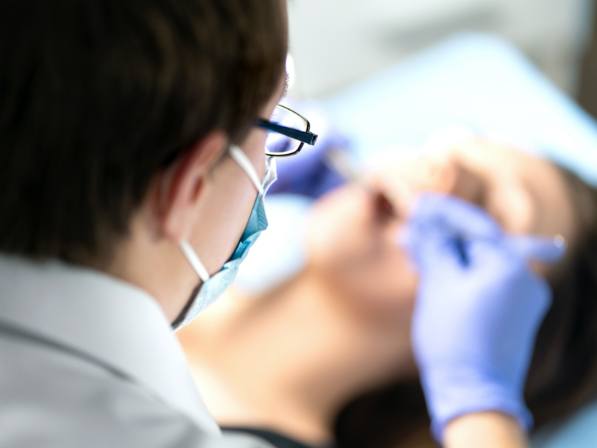
During wisdom tooth removal in Dallas, we first make sure that a patient is comfortable. Then, we access the wisdom teeth. In order to do so, we may need to create an incision in the gums. Next, we remove the wisdom teeth as gently as possible. This might mean that we have to break the teeth into pieces in order to properly extract them. After the teeth are out, we close the incision, and the recovery process begins.
Learn More About Wisdom Tooth Removals
Advances in Wisdom
Tooth Removal

One of the biggest fears of patients having wisdom teeth removed is the fear of post-operative discomfort. The most common cause of pain following wisdom tooth extraction, especially in the lower jaw, is a dry socket. A dry socket is not an infection, but the result of an interrupted healing process. In a normal extraction site, a blood clot forms, which acts as a matrix for healing of the bone and soft tissues. When a dry socket occurs, this blood clot is lost, leaving the socket open to the oral environment. Healing progresses more slowly, and without the protective blood clot, it can be painful. Dry socket occurs in about 20% of lower extraction sites. The cause is non-specific, but most oral surgeons advise patients that dry socket can be caused by smoking, poor oral hygiene and wound care, disturbance of the healing site, and even naturally occurring components in a patient’s own anatomy. Some patients are just naturally prone to developing a dry socket.
At Texas Wisdom Teeth and Dental Implants, an advanced technique is available in order to help prevent the development of a dry socket and speed the healing process. Using components taken from a patient’s own blood, platelet rich fibrin (PRF) is placed in the tooth socket as a dressing, following tooth extraction. This autologous (from a patient’s own body) dressing has been shown to reduce healing time, decrease post-operative discomfort, and jump start the healing process by up to three days, instantly. When used in wisdom tooth extraction, the incidence of dry socket is drastically reduced. In addition, the jawbone itself begins to heal more quickly, making recovery easier on the patient.
Used by only a handful of DFW oral surgeons, PRF is considered the cutting edge of advanced oral surgery techniques. Be sure to ask whether adding PRF to your wisdom teeth removal procedure is the best option for you.
Understanding the Cost of Wisdom Tooth Removal

The cost of your wisdom tooth surgery will depend on a few factors, including whether you get one or all of your wisdom teeth removed, and the complexity of the procedure. When you visit us for a consultation, we will talk to you about the cost of your oral surgery treatment. Our team is also ready to help you understand your payment options so you can find the best way to fit your procedure into your budget. Additionally, we often have special pricing for patients without insurance — be sure to ask us about it!
Learn More About Affordable Options
Oral Surgery Procedures
& Technology

Despite our name, our oral surgery office is able to do much more than simply remove troublesome wisdom teeth! We can also perform other types of oral surgery, including regular tooth extractions, bone grafting, sinus lifts, biopsies, facial trauma repair, and even lip and tongue tie treatment for infants, teens and adults. Plus, we can ensure complete comfort during any procedure thanks to safe, reliable IV sedation. You can learn more about everything we have to offer by clicking the button below.